From Parthenope to the Bourbons
Every corner in Naples tells a story of conquest, art, and resilience. Let the bus route be your timeline.
Table of Contents
Origins: The Siren and the Greeks
Naples began with a legend. The siren Parthenope, distraught after failing to seduce Odysseus with her song, washed ashore here, giving the settlement its poetic name. Historically, it was Greek settlers who founded 'Neapolis' (New City) around 470 BC. As your bus passes near the historic center, you are effectively circling the ancient grid plan of the Greek city—the decumani—which still forms the main streets today.
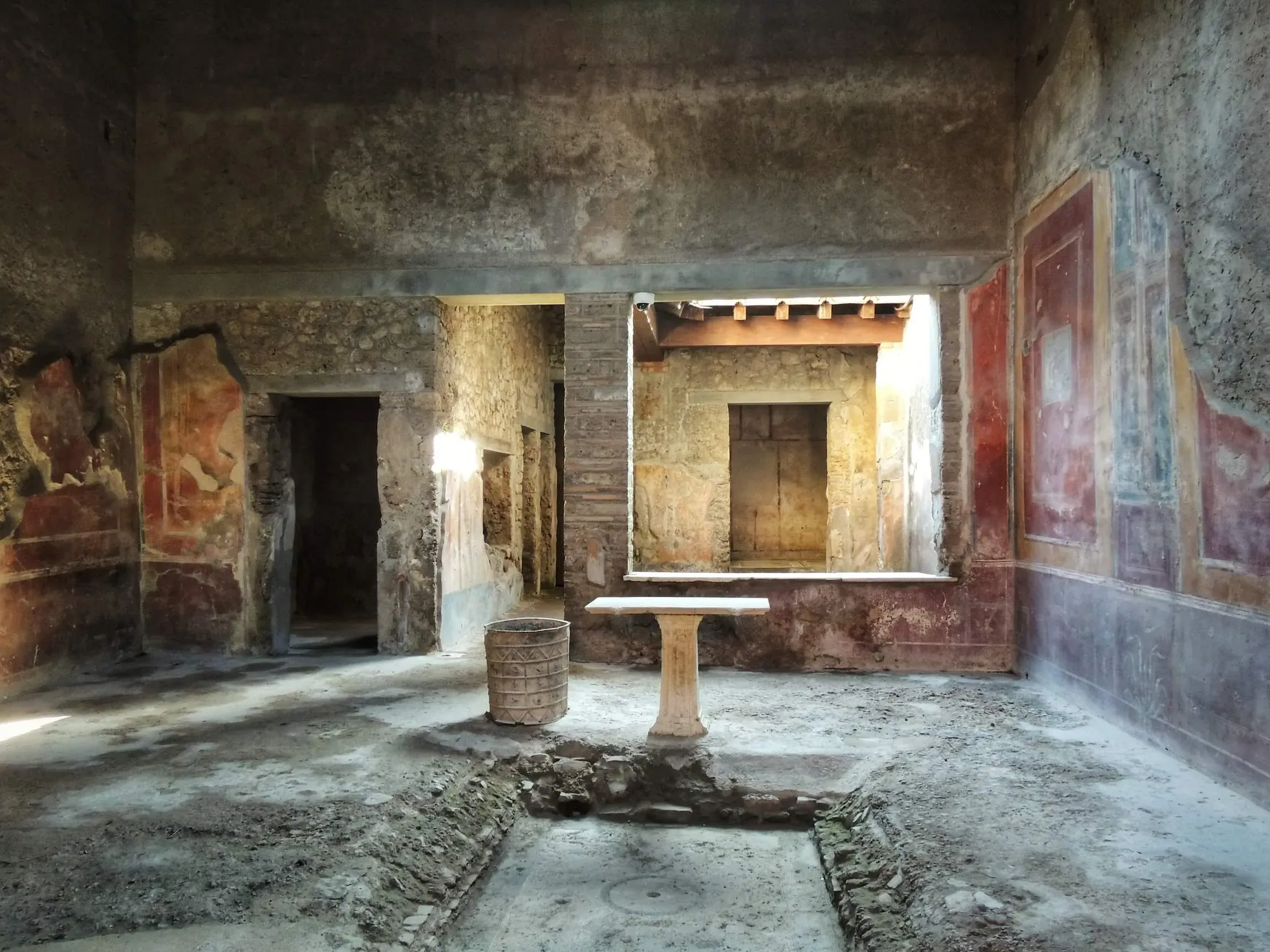
Under the Romans, Naples became a favored resort for emperors and poets, a place of leisure (otium) and culture. You can still see Roman ruins beneath the church of San Lorenzo Maggiore or in the unsuspecting basements of modern buildings. The city never lost its Greek soul, maintaining its language and customs long after Roman conquest, a stubborn independence that defines it still.
The Castles of Naples: Norman to Angevin
Naples is often called the city of seven castles. The route takes you past the most famous ones. Castel dell'Ovo (Egg Castle), visible from the Lungomare loop, sits on the islet where the city was founded. Legend says the poet Virgil hid a magical egg in its foundations; if it breaks, the castle falls and Naples suffers. It’s a fortress of myth and stone standing against the waves.
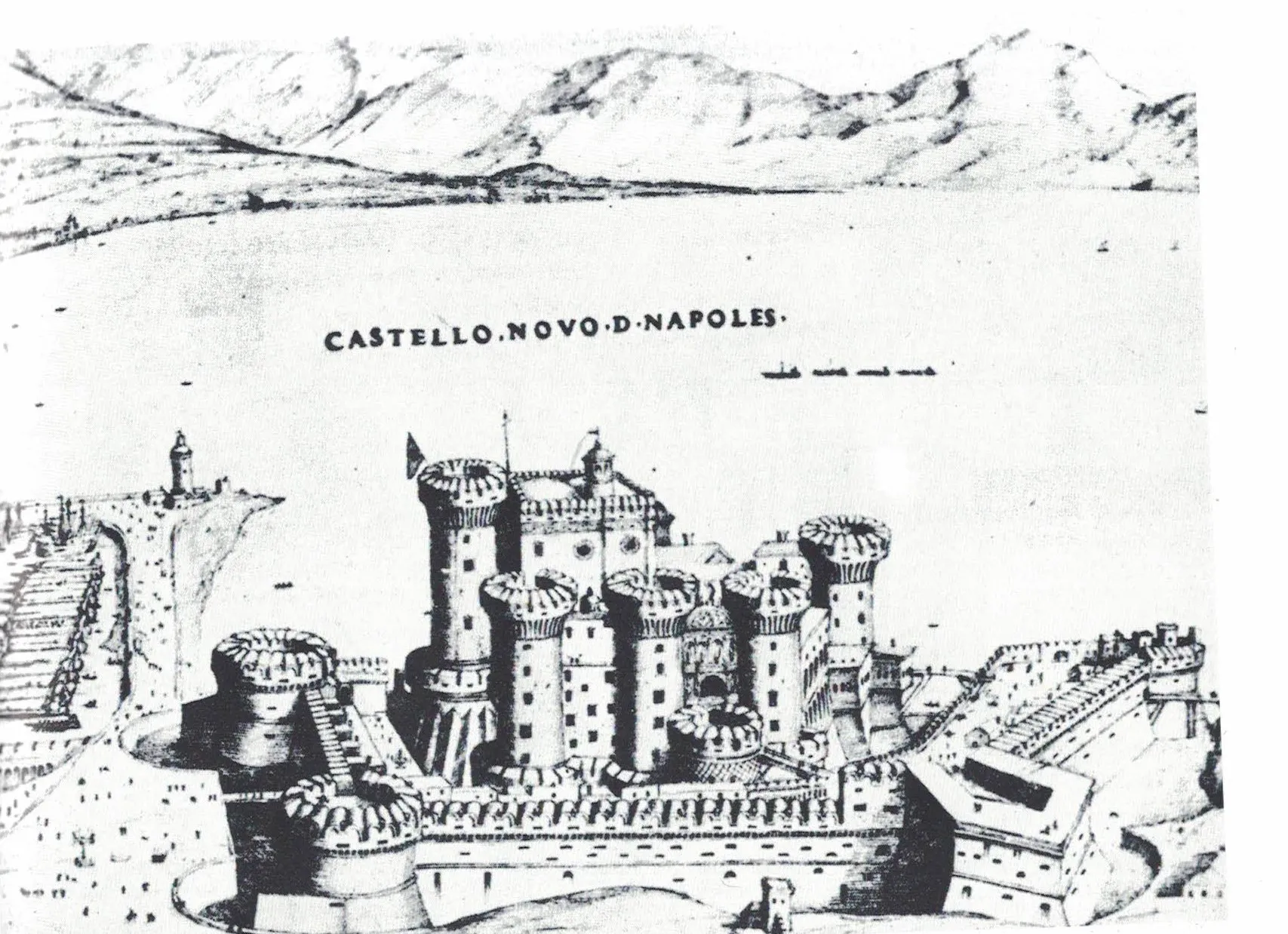
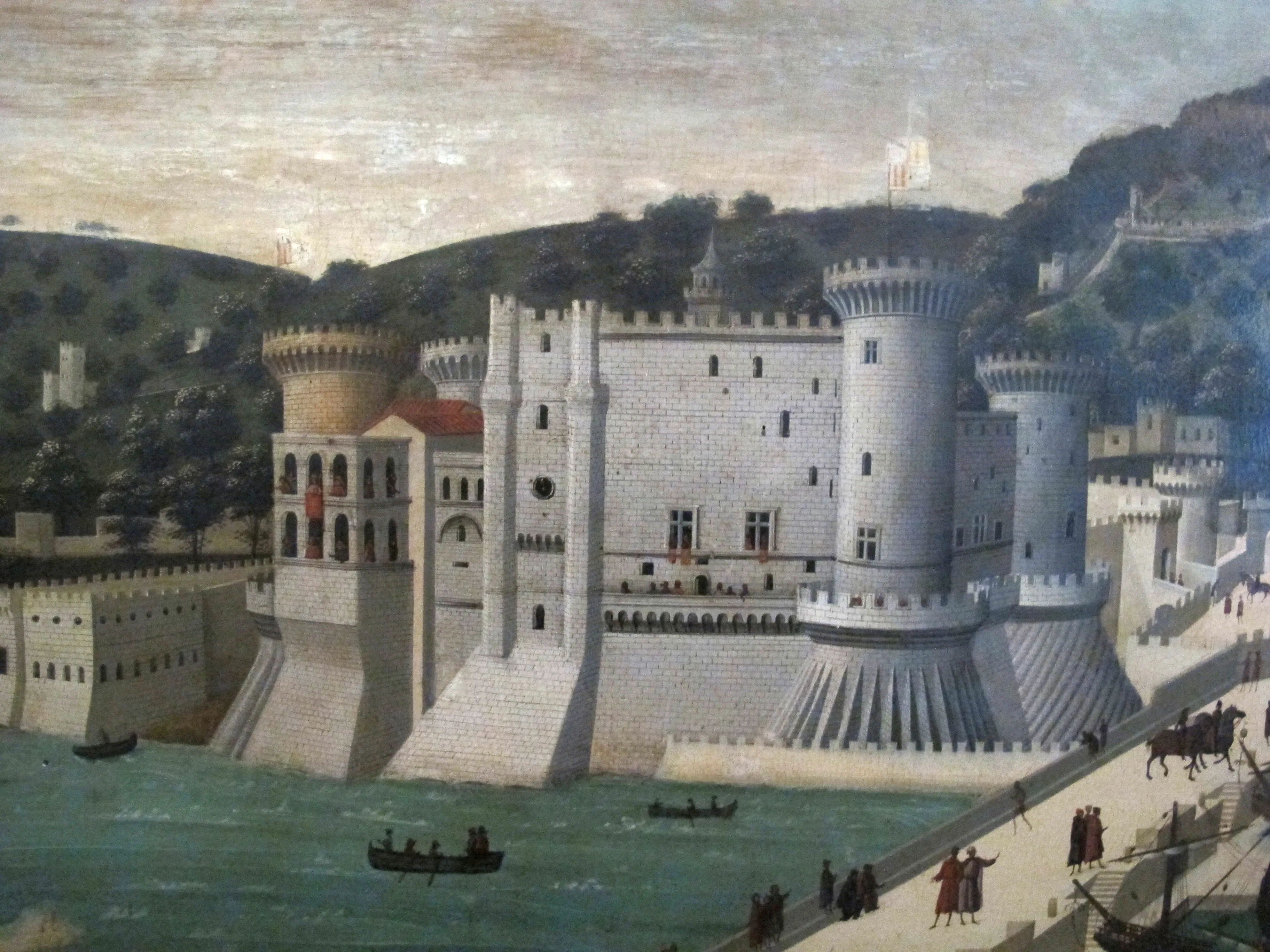
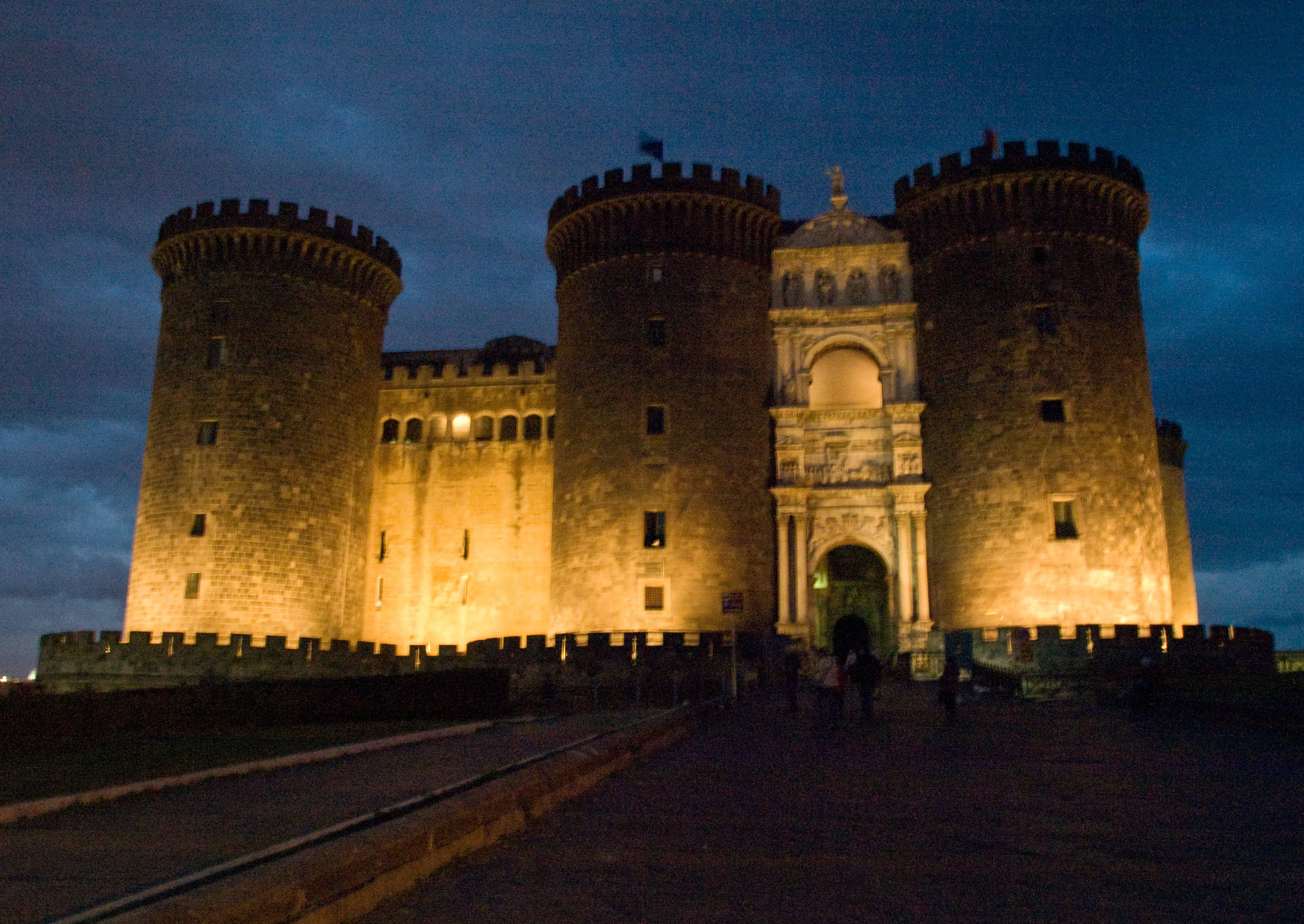
Then there's the massive Castel Nuovo, or Maschio Angioino, dominating Piazza Municipio. Built by the Angevins in the 13th century and later reshaped by the Aragonese, its triumphal marble arch is one of the finest Renaissance artworks in Italy. It symbolizes the era when Naples was a capital of a powerful kingdom, attracting artists like Giotto and writers like Boccaccio to its court.
The Spanish Quarter & Piazza del Plebiscito
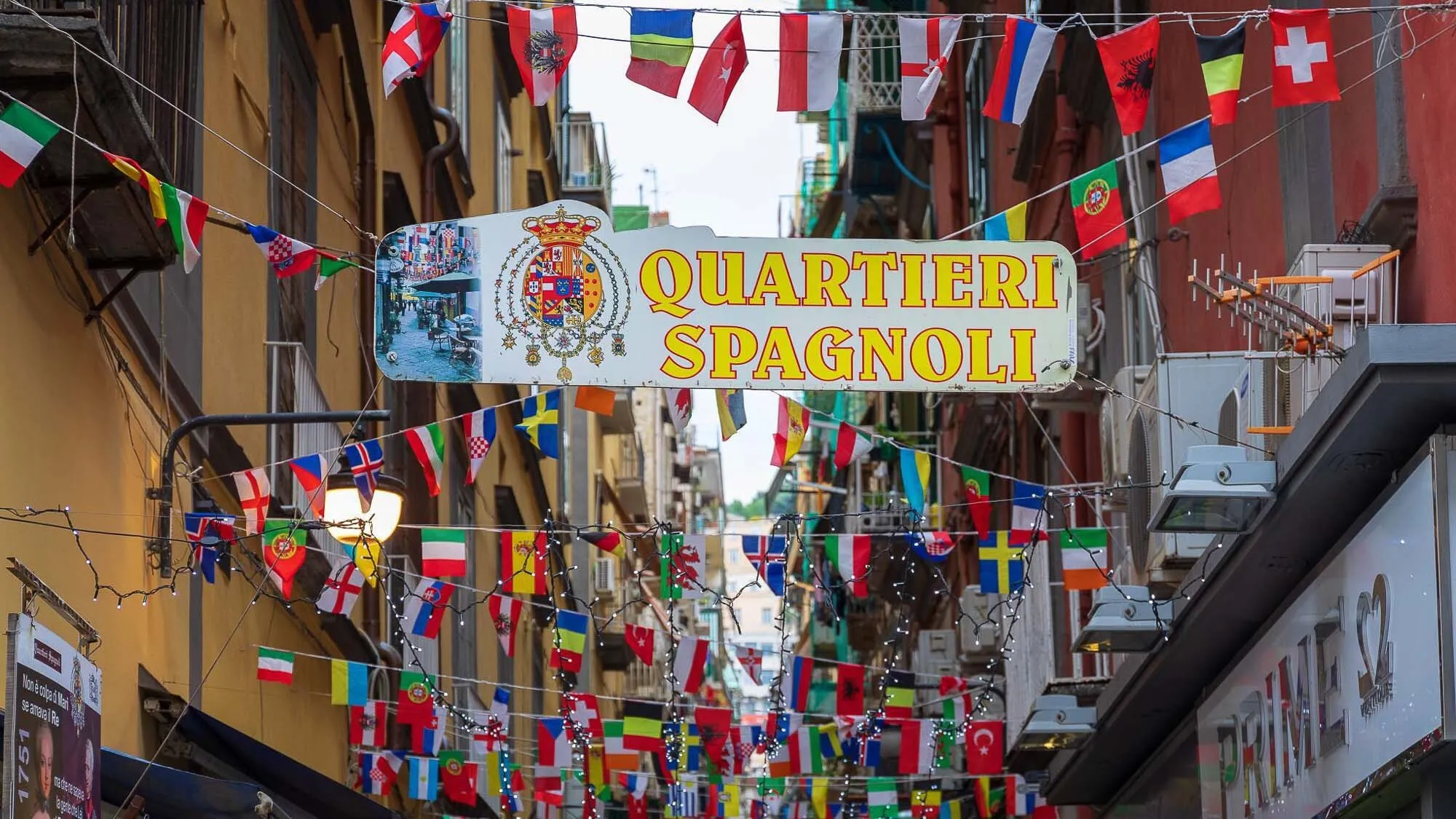
Hop off near Piazza del Plebiscito to feel the grandeur of the city. This vast square, embraced by a colonnade and facing the Royal Palace, was the stage for public events and revolutions. Just behind the bustling Via Toledo lies the 'Quartieri Spagnoli' (Spanish Quarter), a grid of tight streets built in the 16th century to house Spanish troops. Today, it’s the beating heart of Neapolitan folklore.
From the bus, you might catch glimpses into these narrow alleys: laundry fluttering like flags between buildings, baskets being lowered from balconies to buy bread, and shrines to football legend Maradona. It’s a dense, vibrant neighborhood that feels like a village within the metropolis, keeping the Spanish influence alive in its dialect and atmosphere.
The Bourbon Golden Age: Capodimonte
The Bourbon dynasty, who ruled Naples in the 18th and 19th centuries, transformed it into one of Europe's greatest capitals, rivaling Paris and London. They built the magnificent Reggia di Capodimonte, originally a hunting lodge and now a world-class art museum. The bus ride up the hill to Capodimonte offers a green escape from the city density.
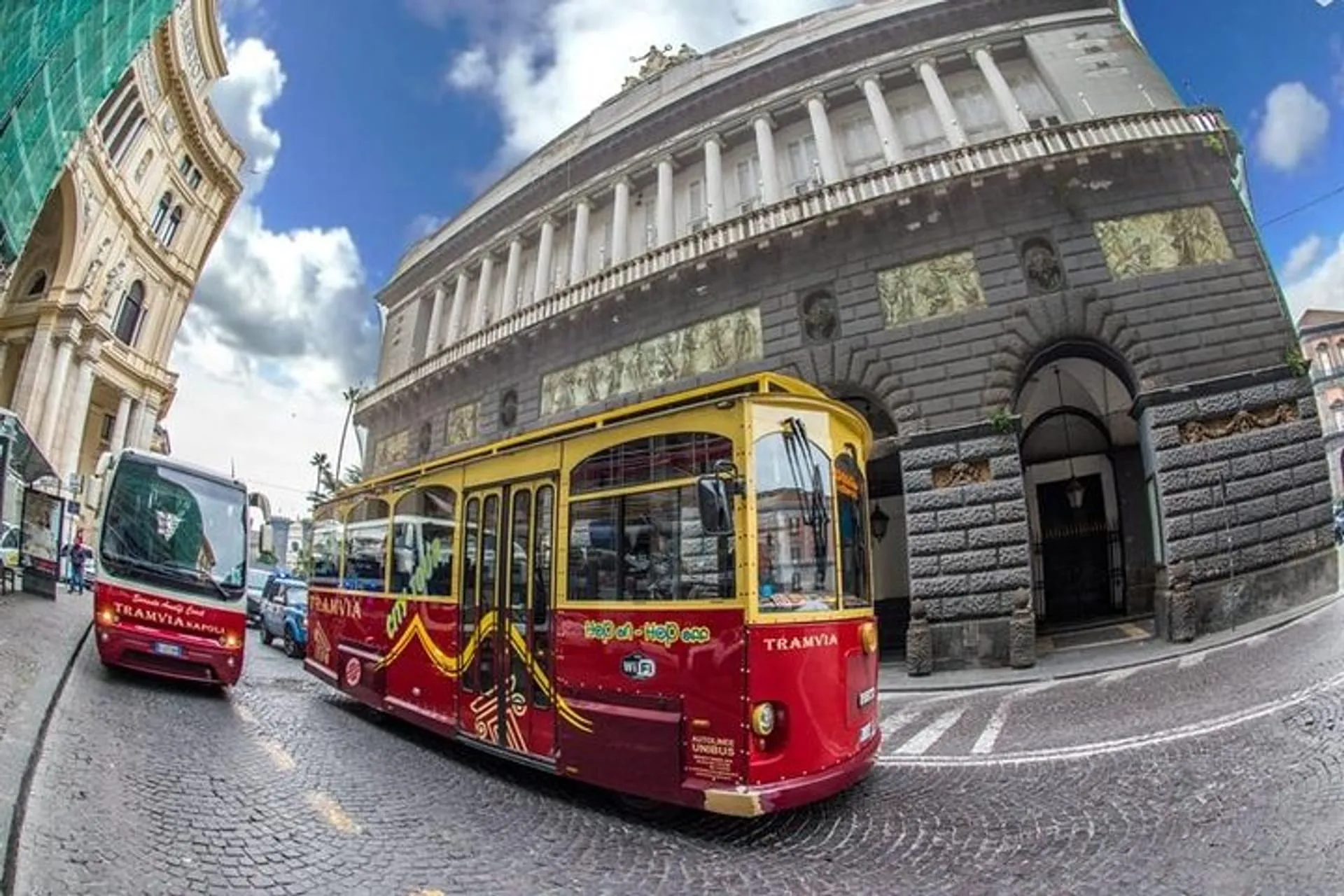
Inside, you find the Farnese collection, inheriting works by Raphael, Titian, and El Greco. The Bourbons also patronized music and theater—the Teatro di San Carlo, which you pass near the Royal Palace, is the oldest continuously active opera house in the world. This era gave Naples a refined elegance that contrasts beautifully with its raucous street life.
San Gennaro and Religious Fervor
Religion in Naples is intense and personal. The patron saint, San Gennaro, is treated more like a respected grandfather than a distant holy figure. Three times a year, the city waits with bated breath for his dried blood to liquefy—a miracle that promises protection from Vesuvius, plague, and misfortune. If it doesn't happen, locals worry.
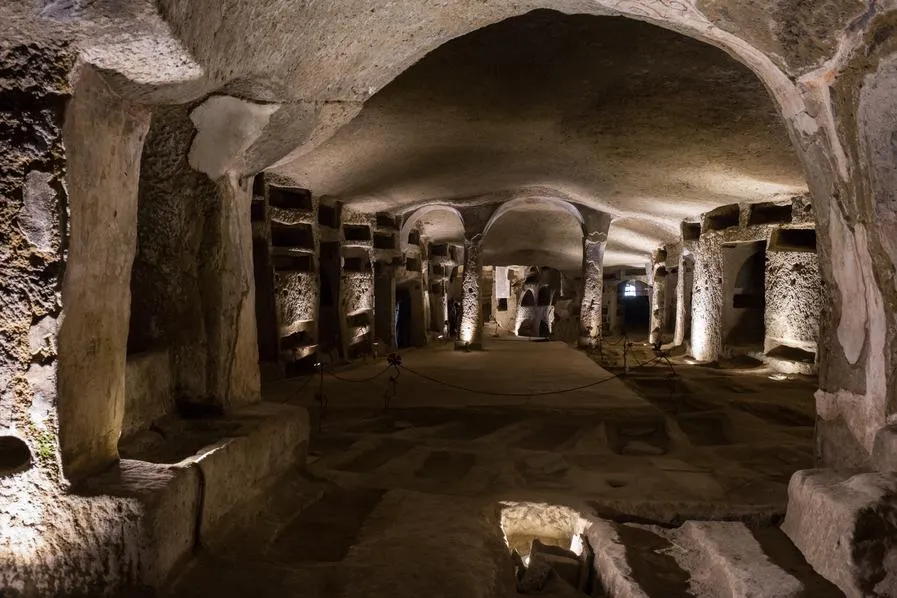
The bus route near the Catacombs of San Gennaro allows you to explore the early Christian history of the city. These underground burial sites are grand and spacious, unlike the cramped Roman catacombs. They speak to a time when bishops and saints walked these streets, and the bond between the city and its protectors was forged in volcanic stone.
The Grand Tour & The Lungomare
In the 18th and 19th centuries, Naples was an essential stop on the Grand Tour. Goethe, Shelley, and other intellectuals came here to be inspired by the scenery and the antiquities. The 'Lungomare'—the seafront promenade freed from cars—is where they would have walked, gazing at the sea.
Riding the bus along Via Caracciolo, you recreate this romantic journey. You see the Villa Comunale park, the aquarium, and the elegant buildings of the Chiaia district. It’s the 'drawing room' of Naples, where families come for their Sunday 'passeggiata' (stroll), enjoying the fresh air and the stunning backdrop of the Sorrento peninsula in the distance.
Modern Naples: Chaos & Creativity
Today’s Naples is a city of stunning contrasts. It faces challenges, but meets them with boundless creativity. The 'Art Stations' of the Metro are a testament to this, turning public transport into underground museums. The city’s street art scene is thriving, with works by Banksy and huge murals of San Gennaro adorning building facades.
From the top deck, you see a living city, not a museum. You hear the honking scooters, smell the espresso and frying pizza, and see a population that lives much of its life outdoors. It’s loud, it’s fast, and it’s undeniably alive. The bus gives you a safe vantage point to observe this chaotic ballet before you dive in to join it.
Vesuvius: The Sleeping Giant
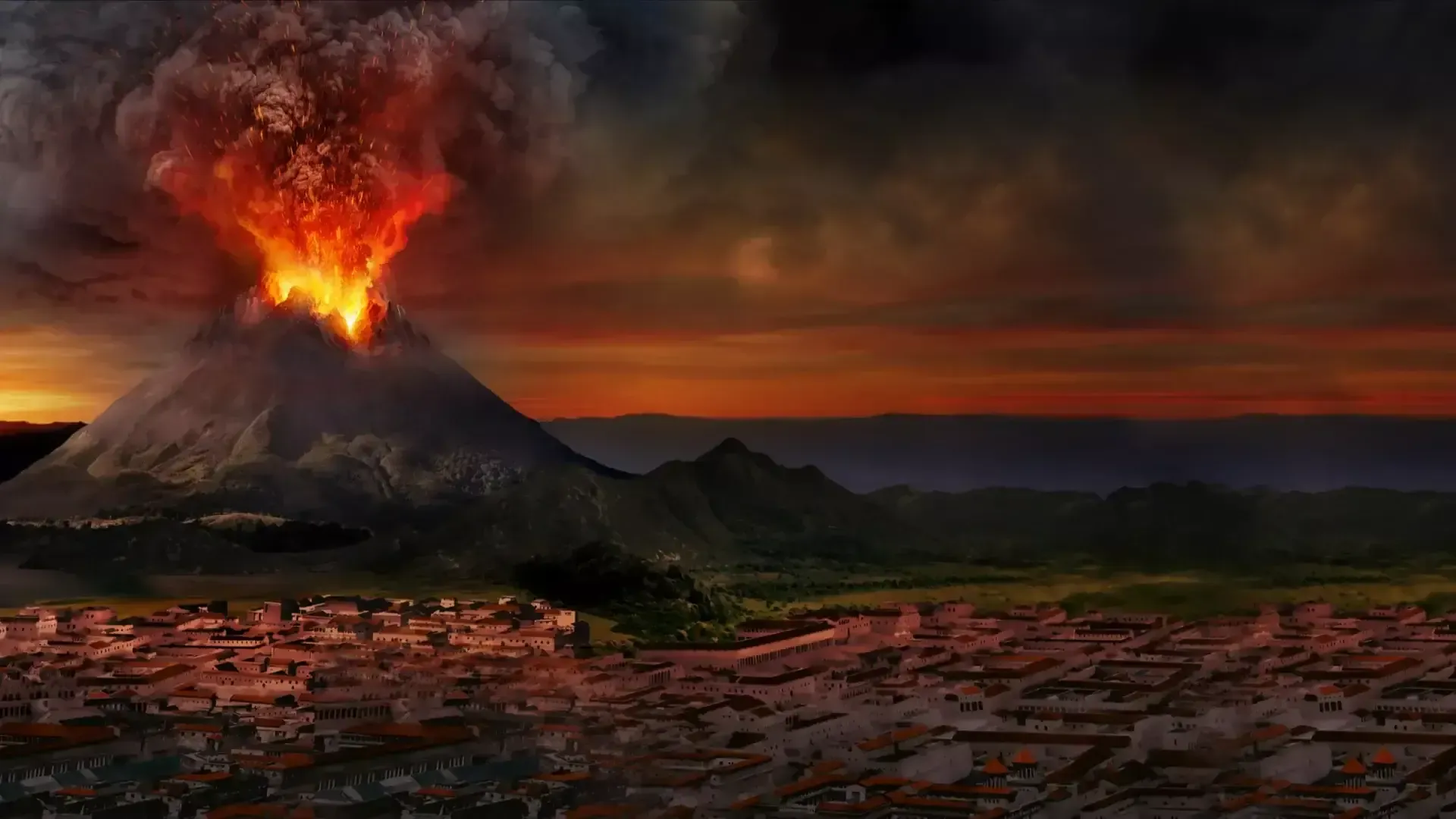
You cannot ignore the mountain. Mount Vesuvius dominates the landscape of the Bay of Naples. It destroyed Pompeii and Herculaneum in 79 AD, freezing them in time, but it also created the fertile soil that grows the famous San Marzano tomatoes and Lacryma Christi wine grapes. It is a dual force of destruction and creation.
The best views of the volcano are from the Line B bus as it climbs Posillipo to the 'Orazio' stop. Seeing the double peak of the volcano (Mount Somma and Vesuvius cone) framing the city is a reminder of nature's power. It adds a philosophical 'carpe diem' edge to the Neapolitan character—enjoy life today, for the mountain is watching.
Pizza, Food & Street Life
Naples is the birthplace of pizza, and for many, a pilgrimage here is purely culinary. The Margherita—tomato, mozzarella, basil—mimics the Italian flag and was named for a Queen. But the street food goes deeper: 'pizza a portafoglio' (folded wallet pizza), 'cuoppo' (cone of fried seafood), and 'sfogliatella' pastries.
While the bus won't serve you lunch, it drops you near the legendary pizzerias of Via dei Tribunali and Via Toledo. Hopping off for a pizza is mandatory. Watch the 'pizzaiuolo' spin the dough—a craft recognized by UNESCO—and understand why food here is a serious, joyous religion.
Navigating the City Layers
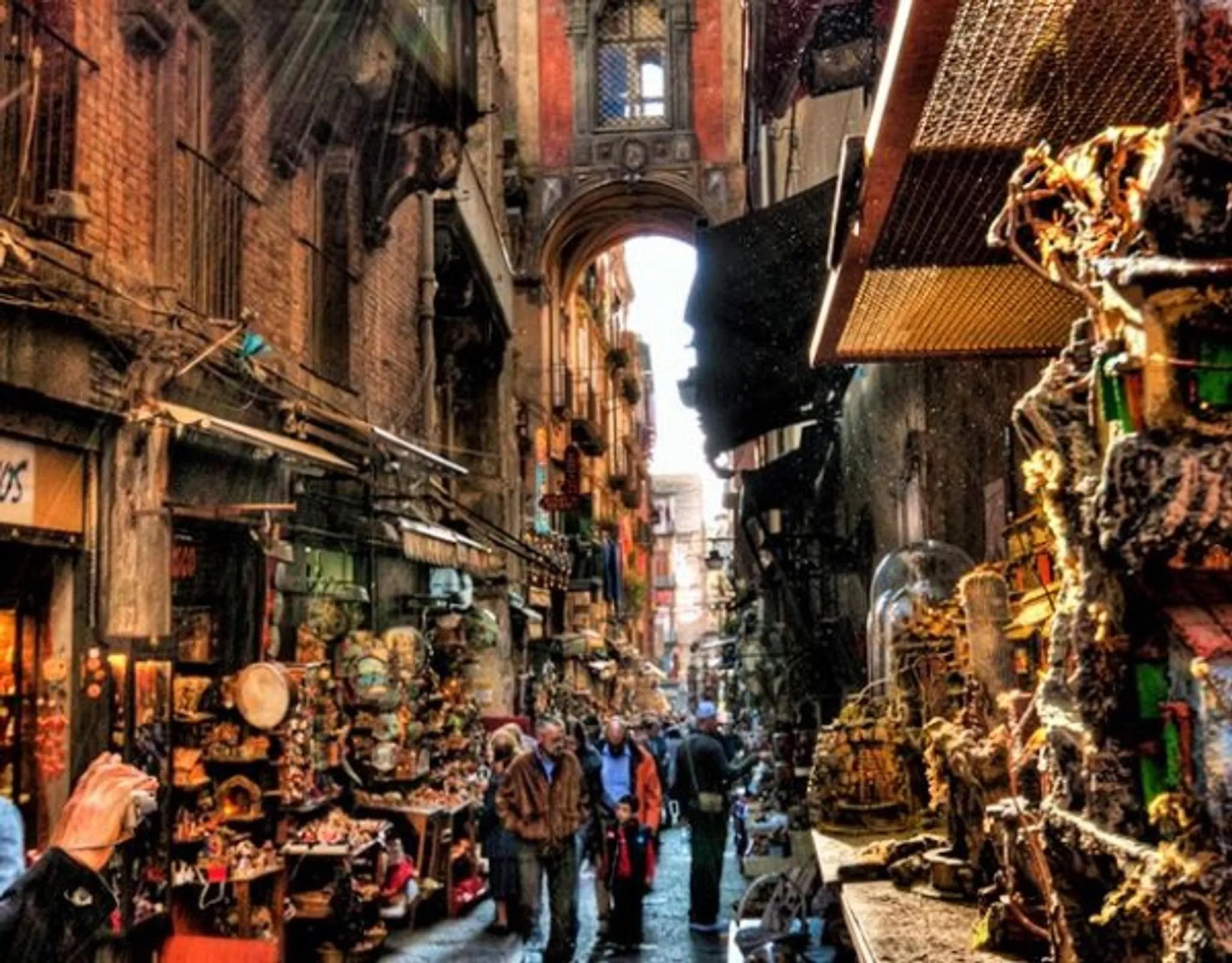
Naples is vertical. It has a 'Napoli di Sopra' (upper city) and 'Napoli di Sotto' (lower/underground city). The bus helps you conquer the 'Sopra' by driving up the Vossmer hills to Capodimonte and Posillipo, saving you tiring climbs. But don't forget the 'Sotto'.
Underneath the frantic streets lies Napoli Sotterranea—a labyrinth of Greek quarries, Roman aqueducts, and WWII air-raid shelters. Many tour entrances are near stops in the historic center. Understanding this verticality adds a whole new dimension to what you see from the bus window.
Art Stations & The Metro
While you are here for the bus, the Metro Line 1 is worth a mention. Stations like 'Toledo' (often voted the most beautiful in Europe) are immersive art experiences. The convenient thing is that the bus terminus at Municipio connects directly with this line, allowing you to easily mix transport modes.
If you hop off at the Museum stop, you can visit the National Archaeological Museum (MANN), which holds the treasures of Pompeii. It is arguably the most important classical archaeology museum in the world. The Farnese Hercules and the Alexander Mosaic are here.
Day Trips from the Terminus
The strategic location of the hop-on hop-off terminus at Pizza Municipio/Molo Beverello is perfect for wider exploration. After a day on the bus, you are perfectly placed to catch a hydrofoil to the glamorous island of Capri, the thermal island of Ischia, or the colorful Procida (Capital of Culture).
You can also catch the Circumvesuviana train to explore the ruins of Pompeii and Herculaneum. Naples is the perfect base camp. Use the bus to get your bearings and fall in love with the city, then radiate outwards to the treasures of Campania.
Naples: A State of Mind
They say 'See Naples and die' (Vedi Napoli e poi muori), meaning that once you have seen its beauty, you have seen it all. The hop-on hop-off bus tour is the prologue to this love affair. It shows you the grand scale, the geography, and the landmarks.
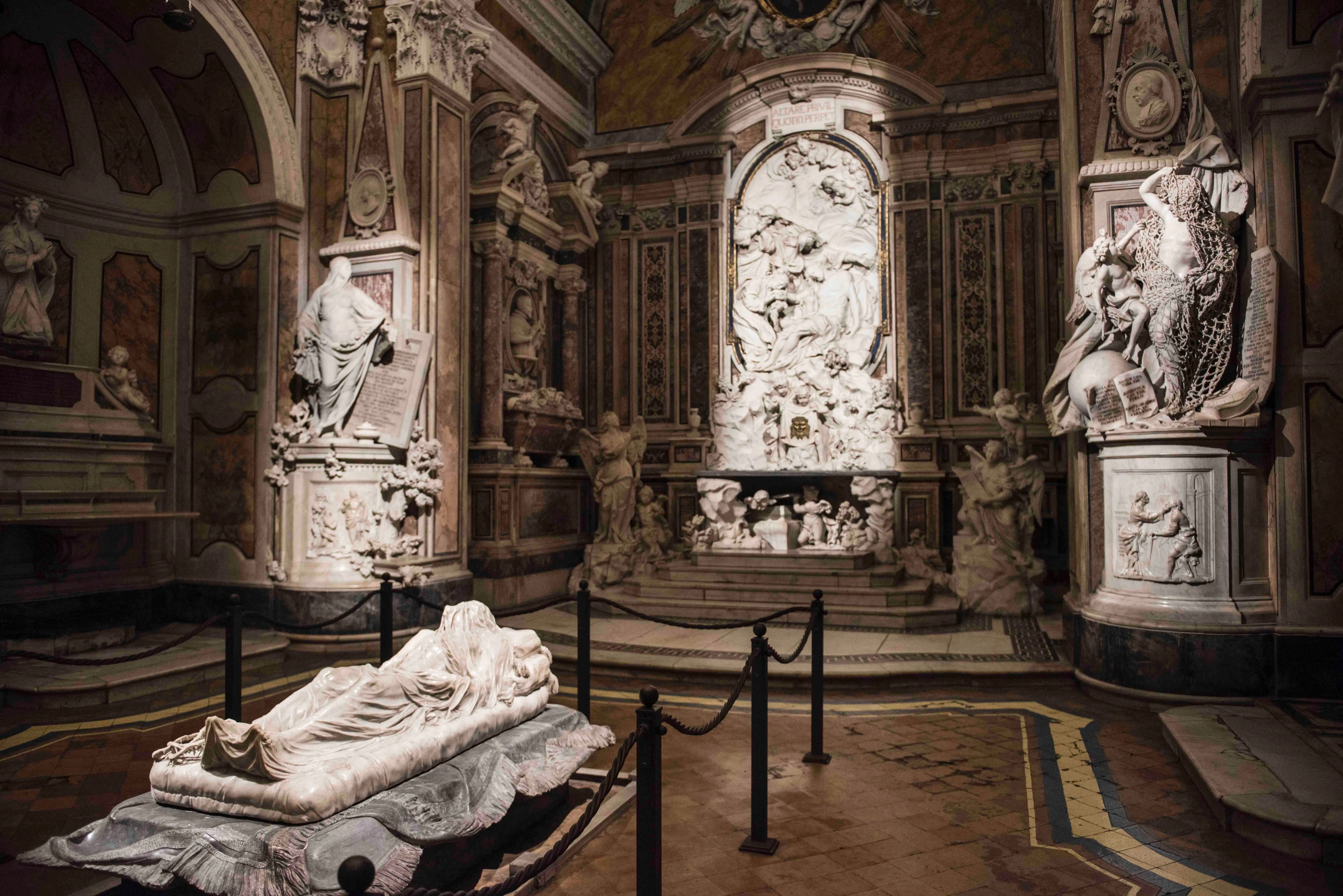
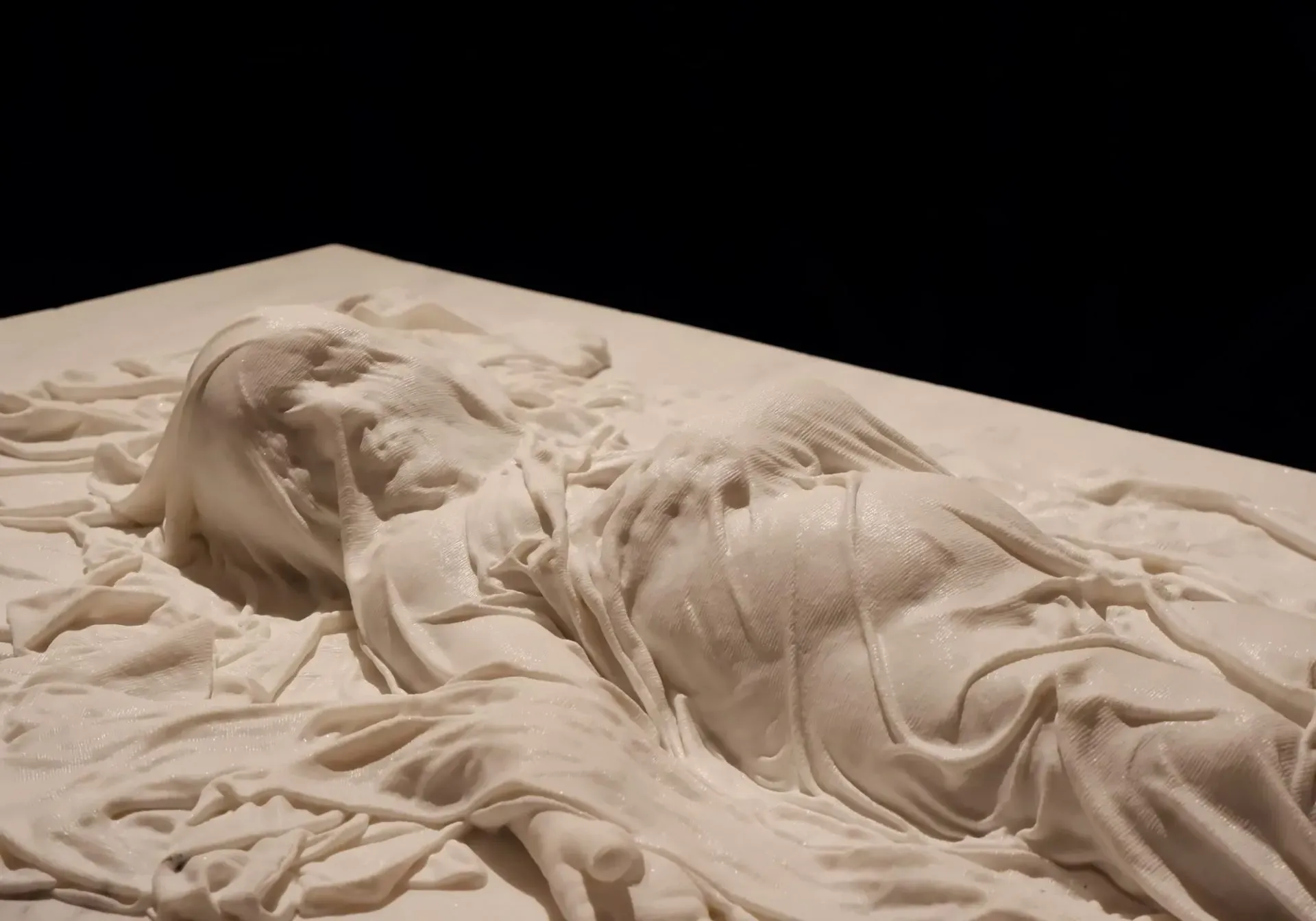
But the real Naples is found when you hop off. It's in the coffee offered by a stranger (caffè sospeso), the chaotic energy of the Pignasecca market, and the silent majesty of the Veiled Christ statue. The bus is your vehicle, but your curiosity is the key. Welcome to the most human city on earth.
Table of Contents
Origins: The Siren and the Greeks
Naples began with a legend. The siren Parthenope, distraught after failing to seduce Odysseus with her song, washed ashore here, giving the settlement its poetic name. Historically, it was Greek settlers who founded 'Neapolis' (New City) around 470 BC. As your bus passes near the historic center, you are effectively circling the ancient grid plan of the Greek city—the decumani—which still forms the main streets today.
Under the Romans, Naples became a favored resort for emperors and poets, a place of leisure (otium) and culture. You can still see Roman ruins beneath the church of San Lorenzo Maggiore or in the unsuspecting basements of modern buildings. The city never lost its Greek soul, maintaining its language and customs long after Roman conquest, a stubborn independence that defines it still.
The Castles of Naples: Norman to Angevin
Naples is often called the city of seven castles. The route takes you past the most famous ones. Castel dell'Ovo (Egg Castle), visible from the Lungomare loop, sits on the islet where the city was founded. Legend says the poet Virgil hid a magical egg in its foundations; if it breaks, the castle falls and Naples suffers. It’s a fortress of myth and stone standing against the waves.
Then there's the massive Castel Nuovo, or Maschio Angioino, dominating Piazza Municipio. Built by the Angevins in the 13th century and later reshaped by the Aragonese, its triumphal marble arch is one of the finest Renaissance artworks in Italy. It symbolizes the era when Naples was a capital of a powerful kingdom, attracting artists like Giotto and writers like Boccaccio to its court.
The Spanish Quarter & Piazza del Plebiscito
Hop off near Piazza del Plebiscito to feel the grandeur of the city. This vast square, embraced by a colonnade and facing the Royal Palace, was the stage for public events and revolutions. Just behind the bustling Via Toledo lies the 'Quartieri Spagnoli' (Spanish Quarter), a grid of tight streets built in the 16th century to house Spanish troops. Today, it’s the beating heart of Neapolitan folklore.
From the bus, you might catch glimpses into these narrow alleys: laundry fluttering like flags between buildings, baskets being lowered from balconies to buy bread, and shrines to football legend Maradona. It’s a dense, vibrant neighborhood that feels like a village within the metropolis, keeping the Spanish influence alive in its dialect and atmosphere.
The Bourbon Golden Age: Capodimonte
The Bourbon dynasty, who ruled Naples in the 18th and 19th centuries, transformed it into one of Europe's greatest capitals, rivaling Paris and London. They built the magnificent Reggia di Capodimonte, originally a hunting lodge and now a world-class art museum. The bus ride up the hill to Capodimonte offers a green escape from the city density.
Inside, you find the Farnese collection, inheriting works by Raphael, Titian, and El Greco. The Bourbons also patronized music and theater—the Teatro di San Carlo, which you pass near the Royal Palace, is the oldest continuously active opera house in the world. This era gave Naples a refined elegance that contrasts beautifully with its raucous street life.
San Gennaro and Religious Fervor
Religion in Naples is intense and personal. The patron saint, San Gennaro, is treated more like a respected grandfather than a distant holy figure. Three times a year, the city waits with bated breath for his dried blood to liquefy—a miracle that promises protection from Vesuvius, plague, and misfortune. If it doesn't happen, locals worry.
The bus route near the Catacombs of San Gennaro allows you to explore the early Christian history of the city. These underground burial sites are grand and spacious, unlike the cramped Roman catacombs. They speak to a time when bishops and saints walked these streets, and the bond between the city and its protectors was forged in volcanic stone.
The Grand Tour & The Lungomare
In the 18th and 19th centuries, Naples was an essential stop on the Grand Tour. Goethe, Shelley, and other intellectuals came here to be inspired by the scenery and the antiquities. The 'Lungomare'—the seafront promenade freed from cars—is where they would have walked, gazing at the sea.
Riding the bus along Via Caracciolo, you recreate this romantic journey. You see the Villa Comunale park, the aquarium, and the elegant buildings of the Chiaia district. It’s the 'drawing room' of Naples, where families come for their Sunday 'passeggiata' (stroll), enjoying the fresh air and the stunning backdrop of the Sorrento peninsula in the distance.
Modern Naples: Chaos & Creativity
Today’s Naples is a city of stunning contrasts. It faces challenges, but meets them with boundless creativity. The 'Art Stations' of the Metro are a testament to this, turning public transport into underground museums. The city’s street art scene is thriving, with works by Banksy and huge murals of San Gennaro adorning building facades.
From the top deck, you see a living city, not a museum. You hear the honking scooters, smell the espresso and frying pizza, and see a population that lives much of its life outdoors. It’s loud, it’s fast, and it’s undeniably alive. The bus gives you a safe vantage point to observe this chaotic ballet before you dive in to join it.
Vesuvius: The Sleeping Giant
You cannot ignore the mountain. Mount Vesuvius dominates the landscape of the Bay of Naples. It destroyed Pompeii and Herculaneum in 79 AD, freezing them in time, but it also created the fertile soil that grows the famous San Marzano tomatoes and Lacryma Christi wine grapes. It is a dual force of destruction and creation.
The best views of the volcano are from the Line B bus as it climbs Posillipo to the 'Orazio' stop. Seeing the double peak of the volcano (Mount Somma and Vesuvius cone) framing the city is a reminder of nature's power. It adds a philosophical 'carpe diem' edge to the Neapolitan character—enjoy life today, for the mountain is watching.
Pizza, Food & Street Life
Naples is the birthplace of pizza, and for many, a pilgrimage here is purely culinary. The Margherita—tomato, mozzarella, basil—mimics the Italian flag and was named for a Queen. But the street food goes deeper: 'pizza a portafoglio' (folded wallet pizza), 'cuoppo' (cone of fried seafood), and 'sfogliatella' pastries.
While the bus won't serve you lunch, it drops you near the legendary pizzerias of Via dei Tribunali and Via Toledo. Hopping off for a pizza is mandatory. Watch the 'pizzaiuolo' spin the dough—a craft recognized by UNESCO—and understand why food here is a serious, joyous religion.
Navigating the City Layers
Naples is vertical. It has a 'Napoli di Sopra' (upper city) and 'Napoli di Sotto' (lower/underground city). The bus helps you conquer the 'Sopra' by driving up the Vossmer hills to Capodimonte and Posillipo, saving you tiring climbs. But don't forget the 'Sotto'.
Underneath the frantic streets lies Napoli Sotterranea—a labyrinth of Greek quarries, Roman aqueducts, and WWII air-raid shelters. Many tour entrances are near stops in the historic center. Understanding this verticality adds a whole new dimension to what you see from the bus window.
Art Stations & The Metro
While you are here for the bus, the Metro Line 1 is worth a mention. Stations like 'Toledo' (often voted the most beautiful in Europe) are immersive art experiences. The convenient thing is that the bus terminus at Municipio connects directly with this line, allowing you to easily mix transport modes.
If you hop off at the Museum stop, you can visit the National Archaeological Museum (MANN), which holds the treasures of Pompeii. It is arguably the most important classical archaeology museum in the world. The Farnese Hercules and the Alexander Mosaic are here.
Day Trips from the Terminus
The strategic location of the hop-on hop-off terminus at Pizza Municipio/Molo Beverello is perfect for wider exploration. After a day on the bus, you are perfectly placed to catch a hydrofoil to the glamorous island of Capri, the thermal island of Ischia, or the colorful Procida (Capital of Culture).
You can also catch the Circumvesuviana train to explore the ruins of Pompeii and Herculaneum. Naples is the perfect base camp. Use the bus to get your bearings and fall in love with the city, then radiate outwards to the treasures of Campania.
Naples: A State of Mind
They say 'See Naples and die' (Vedi Napoli e poi muori), meaning that once you have seen its beauty, you have seen it all. The hop-on hop-off bus tour is the prologue to this love affair. It shows you the grand scale, the geography, and the landmarks.
But the real Naples is found when you hop off. It's in the coffee offered by a stranger (caffè sospeso), the chaotic energy of the Pignasecca market, and the silent majesty of the Veiled Christ statue. The bus is your vehicle, but your curiosity is the key. Welcome to the most human city on earth.